
Beast sports nutrition
The Informed Sport mobile app gives you access to over 1200 certified sports supplements around the globe! Scan, search, or filter to find military supplements that meet your needs and training location live casino online usa.
Informed Sport is the world’s leading testing and certification program for brands producing sports and nutritional supplements. Designed for elite sport, it protects athletes from inadvertent doping caused by supplements contaminated with banned substances. As such, it is recognised by sporting and governing bodies, anti-doping bodies and nutrition industry organisations, and the armed and special forces.
This Guide includes a variety of materials—from short summaries to detailed information—with additional resources and important tips for nutrition at home, in garrison, and during deployment. Each command has specialized missions, with the duration of deployments ranging from 30 days to 12 months. Long missions far from central support pose nutritional concerns, and good solutions are not always possible. The Guide covers strategies for optimizing nutrition for all phases of military life.
Elite sports nutrition
We are redefining the standard so that you can get the most out of your training every day. Our foods and supplements are specially developed to optimally support your muscle building, concentration and regeneration. We are not just concerned with nutrition for you as an athlete. We are never satisfied with the status quo and are constantly working on innovative products so that you can maximize your performance.
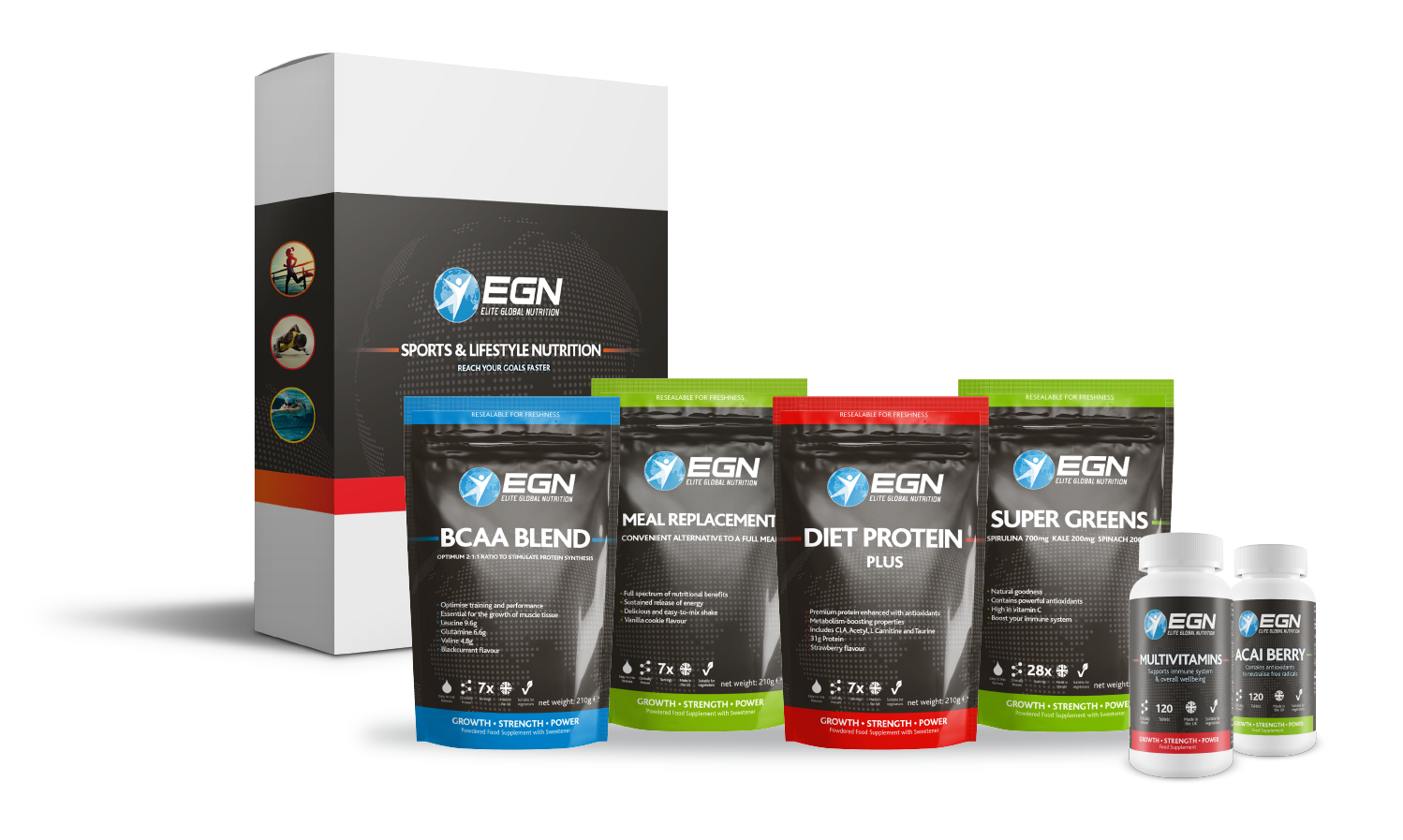
We are redefining the standard so that you can get the most out of your training every day. Our foods and supplements are specially developed to optimally support your muscle building, concentration and regeneration. We are not just concerned with nutrition for you as an athlete. We are never satisfied with the status quo and are constantly working on innovative products so that you can maximize your performance.
Urine color isn’t your only indicator of dehydration, though. If you’re working out or competing and start feeling a little confused, get a headache, tire quickly, become dizzy or light-headed when standing up, or feel really moody, these are early warning signs of dehydration. You need to start drinking.
(Here’s the math: 150 pounds of body weight x 2-3 grams of carbs = 300-450 g total carbs. Then 300 g or 450 g of total carbs / 25 g carbs per cupped-hand serving = 12-18 cupped handfuls of carbs per day.)
If you’re consistently nailing the essentials of sports nutrition, you may benefit from some additional attention to meal timing / nutrient timing and pre-workout nutrition / post-workout nutrition. Consuming the right foods and fluids anywhere from a few hours to right before and after your workout or competition can help you13:
The idea: Most of your protein—about 80 to 90 percent—should come from the “Eat More” and “Eat Some” columns. The other 10 to 20 percent can come from whichever column you prefer. This provides you with flexibility while still allowing you to nail the essentials.
International society sports nutrition
For example, Moore found that muscle and albumin protein synthesis was optimized at approximately 20 g of egg protein at rest. Witard et al. provided incremental doses of whey protein (0, 10, 20 and 40 g) in conjunction with an acute bout of resistance exercise and concluded that a minimum protein dose of 20 g optimally promoted MPS rates. Finally, Yang and colleagues had 37 elderly men (average age of 71 years) consume incremental doses of whey protein isolate (0, 10, 20 and 40 g/dose) in combination with a single bout of lower body resistance exercise and concluded that a 40 g dose of whey protein isolate is needed in this population to maximize rates of MPS. Furthermore, while results from these studies offer indications of what optimal absolute dosing amounts may be, Phillips concluded that a relative dose of 0.25 g of protein per kg of body weight per dose might operate as an optimal supply of high-quality protein. Once a total daily target protein intake has been achieved, the frequency and pattern with which optimal doses are ingested may serve as a key determinant of overall changes in protein synthetic rates.
Phillips SM, Tang JE, Moore DR. The role of milk- and soy-based protein in support of muscle protein synthesis and muscle protein accretion in young and elderly persons. J Am Coll Nutr. 2009;28:343–54.
In 2007, the International Society of Sports Nutrition (ISSN) published its first position stand devoted to the science and application of dietary protein intake . Subsequently, this paper has been accessed more than 200,000 times and continues to serve as a key reference on the topic. In the past ten years, there have been continued efforts to advance the science and application of dietary protein intake for the benefit of athletes and fitness-minded individuals. This updated position stand includes new information and addresses the most important dietary protein categories that affect physically active individuals across domains such as exercise performance, body composition, protein timing, recommended intakes, protein sources and quality, and the preparation methods of various proteins.
When consumed whole, proteins are digested through a series of steps beginning with homogenization by chewing, followed by partial digestion by pepsin in the stomach . Following this, a combination of peptides, proteins, and negligible amounts of single amino acids are released into the small intestine and from there are either partially hydrolyzed into oligopeptides, 2–8 amino acids in length or are fully hydrolyzed into individual amino acids . Absorption of individual amino acids and various small peptides (di, tri, and tetra) into the blood occurs inside the small intestine through separate transport mechanisms . Oftentimes, products contain proteins that have been pre-exposed to specific digestive enzymes causing hydrolysis of the proteins into di, tri, and tetrapeptides. A plethora of studies have investigated the effects of the degree of protein fractionation (or degree of hydrolysis) on the absorption of amino acids and the subsequent hormonal response . Research indicates that amino acids are absorbed more rapidly when they are consumed as di and/or tri peptides compared to free form amino acids or complete proteins . Further, the rate of absorption may lead to a more favorable anabolic hormonal environment . Calbet et al. examined both amino acid appearance and insulin responses following consumption of protein solutions containing the same amount of protein, or pure carbohydrates. The treatments consisted of a pure glucose solution, whey peptide hydrolysates, and cow’s milk containing milk proteins, lactose and fat. Each of the nitrogen containing solutions contained 15 g of glucose and 30 g of protein. Results indicated that peptide hydrolysates produced a faster increase in venous plasma amino acids compared to milk proteins. Further, the peptide hydrolysates produced peak plasma insulin levels that were two- and four-times greater than that evoked by the milk and glucose solutions, respectively, with a correlation of 0.8 between plasma amino acids and the insulin response in the peptide hydrolysates. One of the inherent shortcomings of this study is that milk proteins are 80% casein and, therefore, are not ideal candidates to compare with hydrolyzed whey.
Sports nutrition degrees
Both the PhD and EdD offer unique benefits depending on your career aspirations. The PhD in Kinesiology with a concentration in Sports Nutrition is ideal for those who are research-focused and looking to contribute to the academic field or take on high-level research roles. A PhD prepares graduates to lead research projects, publish in peer-reviewed journals, and shape the future of sports nutrition through new discoveries.
Conversely, a dietician is a legally protected occupation in which workers must undergo specific education and training. Furthermore, to legally work as a dietician, one must acquire the proper licensure and/or certifications from the state in which they intend to work.
Another component of being a sports nutritionist is constantly analyzing their client’s performance. They will work with their clients to establish short-term and long-term goals for nutrition, and monitor their client’s ability (or inability) to meet those goals. Based on the performance of their client, a sports nutritionist might tweak the nutrition program they’ve outlined to be more fitting for where their client is at in his or her nutritional journey.
Dr. Fischer’s background in higher education includes administration of in-class and online programs, development of new programs, and collaborative programming. Her academic focus includes public health, epidemiology, leadership, and program administration. Learn more about Dr. Fischer here.
Candidates should possess an array of skills and personal characteristics to achieve success as a sports nutritionist. To interpret new research, aspiring sports nutritionists must have strong analytical skills and become adept in interpreting scientific studies in order to transform scientific findings in the field of nutrition into practical dietary advice.

Recent Comments